
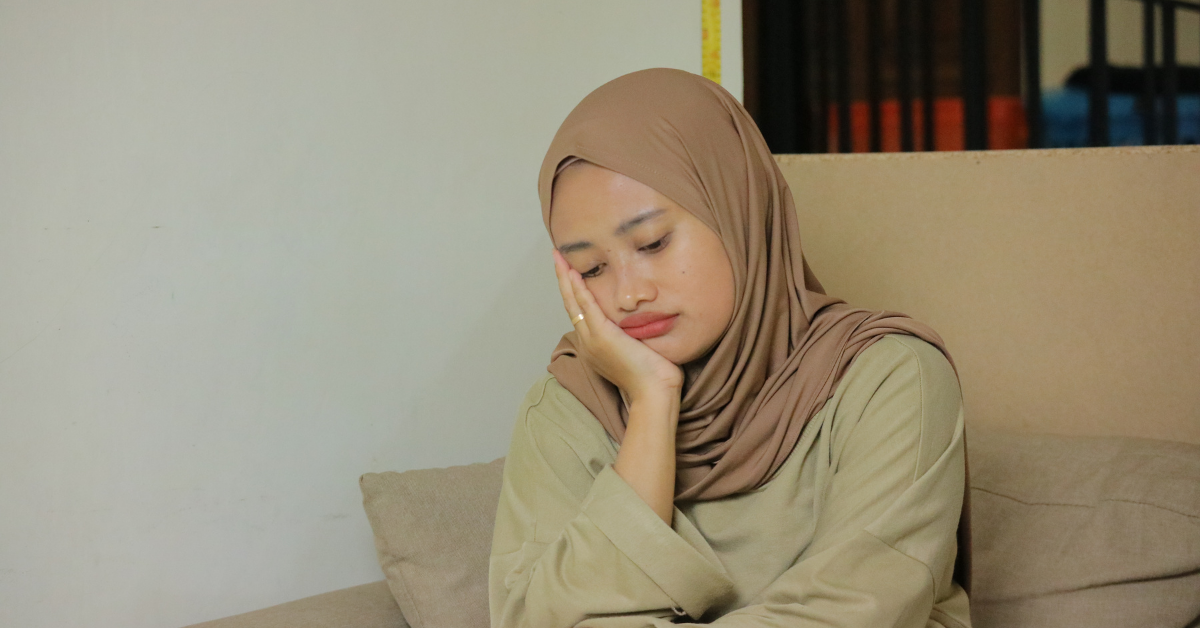
A Situation Many Parents Quietly Worry About
Many parents carry this concern in their hearts but rarely say it out loud. They want their child to learn the Quran properly — with correct pronunciation, confidence, and respect — yet they feel unsure because their own reading was never strong. Some never had the chance to learn Tajweed properly. Others can read, but not in the way they feel the Quran truly deserves.
So the question comes naturally: If we are not strong readers ourselves, will our child struggle too?
The honest answer is reassuring. To understand why, it helps to look at what actually shapes a child’s progress. A child’s Quran learning does not depend on the parents’ skill level. It depends on the learning environment, the guidance they receive, and the value placed on the Quran inside the home. And when those things are present, children often grow into strong readers — sometimes even stronger than their parents ever were.
The Reality Parents Should Know First
A child does not need expert parents to become a confident Quran reader. What children need is consistency, encouragement, and proper instruction. Research in education consistently shows that parental involvement strongly improves learning outcomes, even when parents are not the direct instructors.
Parental involvement strongly improves learning outcomes
Many strong readers come from homes where parents openly say, “We want you to learn properly even if we didn’t.” That honesty often motivates children more than silent expectations ever could.
What actually shapes a child’s progress
- Regular lessons with a qualified teacher
- A calm routine for practice at home
- Encouragement instead of pressure
- Parents showing respect for the learning process
Together, these habits form the real support system behind a child’s reading. When these elements exist, the child’s progress rarely suffers.
Parents Often Feel Their Own Ability Matters Too Much
Parents usually worry because they think home correction is necessary for improvement. This belief comes from school-style learning, where homework is checked at home and mistakes are fixed by family members. Quran learning works differently. The detailed correction happens during guided recitation, not casual listening. What children really need from parents is not technical correction, but emotional stability. Research across education fields also shows that parental involvement often has a stronger impact on children’s progress than institutional factors alone.
Parental involvement has a stronger influence on student success
They need to feel:
- that their learning matters
- that their effort is noticed
- that someone at home is invested in their progress
When that emotional support exists, children tend to focus more carefully during lessons because they know their effort is meaningful.
Supportive Parents Create Strong Quran Learners
Even when parents are not confident in their own recitation, their role in a child’s Quran journey remains extremely important. Children do not learn only from instruction. They learn from the atmosphere around them. When the home treats Quran learning as meaningful, children naturally begin to treat it with seriousness too.
This influence is quiet but powerful, and teachers notice it quickly in students who come from supportive homes. Support does not mean correcting every mistake or knowing every rule. It shows itself in everyday actions that signal to the child that this learning matters.
Support shows itself in simple actions
- Making sure classes are consistent
- Giving each child a quiet reading time
- Asking about what they learned today
- Appreciating effort, not just perfection
- Treating Quran time as important, not optional
These small habits gradually shape a child’s mindset. They help the child understand that reading the Quran is not just another task, but something respected in the home. Over time, that respect turns into focus, and that focus turns into improvement. And very often, this kind of steady encouragement influences a child’s progress more deeply than technical corrections ever could.

Parental Commitment Often Matters More Than Recitation Skill
When parents take Quran learning seriously, children usually respond in ways that are easy to notice. This awareness often shows in their reading habits — they pause more carefully, listen more closely, and try harder to improve. Teachers regularly observe that students from supportive homes tend to approach their recitation with more responsibility.
They pause more thoughtfully, listen closely to corrections, and try to apply what they learn instead of rushing through the reading. This does not happen because the parents are correcting them. It happens because the child senses that their effort matters. Over time, this environment helps children develop qualities that directly improve their recitation:
- stronger focus while reading the Quran
- better listening during correction
- patience with difficult pronunciation
- confidence when reading aloud
These traits are not taught as rules. They grow naturally when learning is supported at home. This steady parental commitment shapes a child’s progress more than technical ability inside the household ever could.
Strong Quran Learning Doesn’t Always Start Early
I’ve seen students who didn’t really begin learning the Quran in their early years. Some struggled with reading as children, some paused for a long time, and some only started properly once they were older. But when they finally began with proper guidance and supportive parents, their progress surprised everyone. They read with care, listened closely, and improved steadily.
This shows something many families don’t realize at first. Quran learning is not defined by when it begins. It grows when the environment becomes right for it. When a child receives proper instruction, a stable routine, and encouragement from home, improvement often follows naturally — even if the start came later than expected.
In fact, older learners often bring a level of seriousness that younger children don’t always have yet. They understand the value of what they are learning. They listen more attentively, practice more consciously, and take their progress personally. When that sense of responsibility combines with family support, the learning journey often becomes strong and lasting.
The Role Parents Play in a Child’s Quran Journey
Many parents quietly assume that if they cannot teach the Quran themselves, their role in their child’s learning is limited. But in reality, parents shape the learning journey in ways that go far beyond direct teaching.
What children need from parents is not instruction, but direction — someone ensuring the learning keeps moving forward. That direction usually shows in simple things — keeping lessons regular, protecting practice time, and staying involved in the process. When parents make space for lessons, protect practice time, and show that this effort matters, they create the foundation on which proper learning grows.
This kind of involvement may look simple from the outside, but it has a deep effect. It gives the child stability, direction, and a sense that their progress is meaningful. And when that atmosphere exists, improvement stops feeling forced. The child reads more carefully, listens more attentively, and gradually develops confidence through steady effort and correct guidance.
A Comforting Truth for Parents Who Feel They Are Not Good Enough
Many parents worry that their own limitations will somehow hold their child back. But often, the opposite happens. Parents who know they struggled with their own learning tend to become more thoughtful about their child’s journey. They search for better teachers, pay closer attention to consistency, and value the process more deeply because they understand what it means to miss that opportunity.
Children sense this effort. They see that their learning is important to their parents, and that awareness quietly strengthens their motivation. So the real question is not whether your own recitation is perfect. The more meaningful question is whether your home shows that the Quran deserves time, care, and respect. When that message is clear, the learning journey becomes steadier — and that steadiness is what eventually builds confidence.
For many families, this concern begins with uncertainty: “If we are not strong readers, will our child struggle too?” This is why Quran learning rarely depends on perfect parents. It grows through sincere effort, consistent guidance, and a home that treats the Quran as something important.
When those elements come together, children often develop focus, confidence, and a lasting connection with their reading — sometimes even stronger than what their parents themselves experienced. And that is not a limitation. It is a continuation.